.svg)
.svg)

.avif)
Hemoglobin
12g/dL
Glucose
92mg/dL
HOBBIES
Biking,
Piano
Sign up for Counsel and answer a few simple questions (less than 3 minutes).
Message with a board-certified doctor to discuss which hair loss treatment options would be best suited for your body and lifestyle.
Pick up your prescription from a local pharmacy. We’ll be here to monitor your progress and adjust your treatment through ongoing check-ins.


MALE, 20–29 years old

MALE, 30–39 years old

Male, 40–49 years old

Male, 30–39 years old

Male, 30–39 years old
Consultations are $29 and give you access to unlimited messaging with your doctor on any hair loss questions, which is less than a standard copay.
Your final cost will depend on which treatment you choose and your insurance coverage. Several commonly used options are available for under $10 per month.
* Prices shown for Minoxidil 2 % Topical Solution (60 mL bottle), a popular treatment for hair loss. Prices will vary depending on your insurance coverage and the pharmacy you choose.

Doctor consultation


90 day supply*

90 day supply*

90 day supply*

90 day supply*
Counsel offers a range of hair loss treatments online. Below are some of the most common and cost-effective choices for men, and you’re always able to select alternative brand-name or generic medications if you prefer.
Generic Finasteride treats male pattern hair loss, especially near the temple area of the scalp. This medication decreases DHT, which is the hormone tied to hair loss in males.

65% of men notice visible regrowth and up to 90% notice slowed or halted hair loss
1 tablet, 1 time per day
65% of men notice visible regrowth and up to 90% notice slowed or halted hair loss

With insurance your copay ($10-40 with most plans)

Without insurance prices start around $15 for a 30 day supply
Topical Minoxidil is used to treat some kinds of hereditary hair loss, including male pattern baldness. It comes as a gel or foam and works by extending the growth phase of hair follicles.
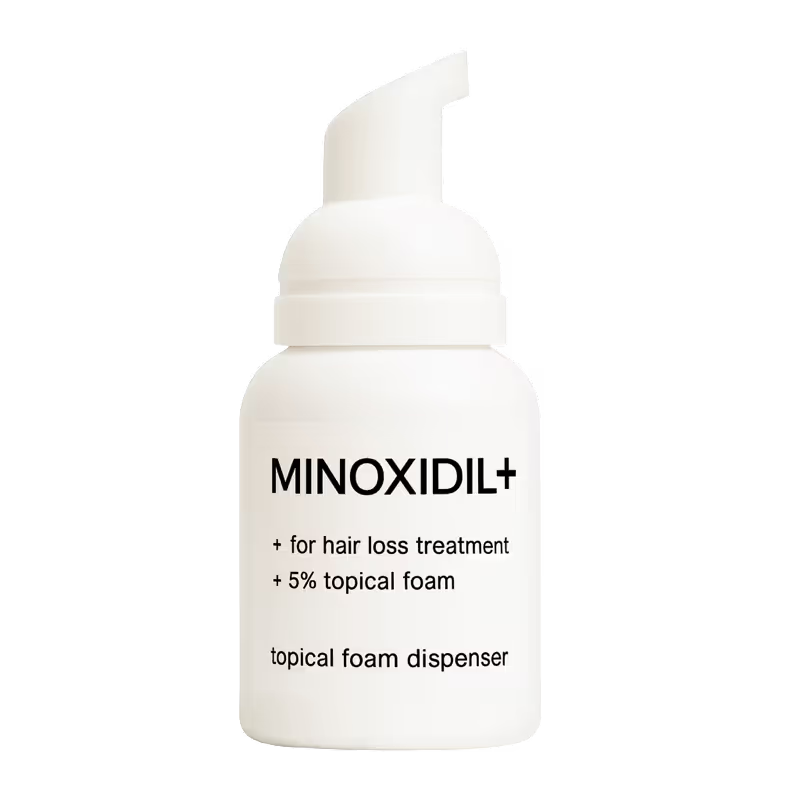
70% of men notice some improvement and is particularly helpful for crown thinning
Topical foam applied twice daily
70% of men notice some improvement and is particularly helpful for crown thinning
With insurance Minoxidil is typically only covered by insurance if there is a underlying health issue like an autoimmune disease.
Without insurance prices start around $11 for a 30 day supply
Unlike traditional healthcare, Counsel uses pattern recognition to uncover insights from your whole health history, so our doctors (and you) can see the full picture.



From testing, treatments, and lifestyle changes to second opinions and specialist referrals, Counsel covers the full spectrum of healthcare.
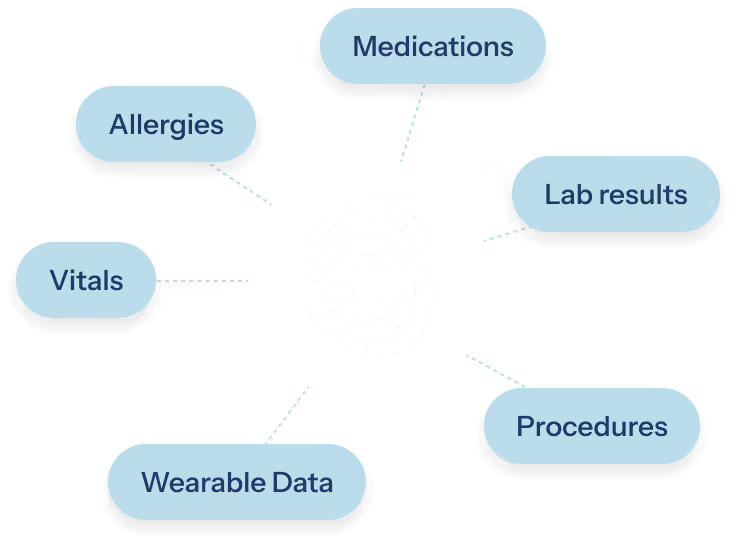
Get free, unlimited personalized support from Counsel AI, then add a doctor to your conversation for $29.
Stay proactive about your health with an on-demand selection of several lab panels.
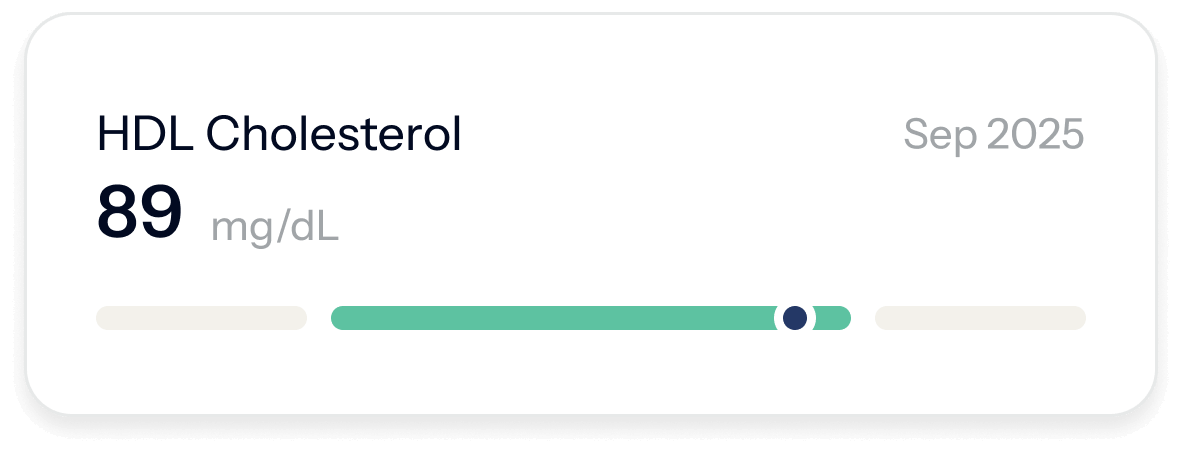
Our doctors can prescribe medication, order refills, and help you navigate any side effects or interactions.

Most hair loss in people assigned male at birth is driven by a hormone called dihydrotestosterone (DHT). Over time, DHT can cause hair follicles to shrink, which gradually leads to thinning and visible loss. Genetics play a major role as well; if a parent or grandparent experienced hair loss, there’s a higher chance you will, too. Ethnicity can influence risk as well, male pattern hair loss is more common among White and Afro-Caribbean individuals and less common among people of Asian descent.
Age is another key factor. It’s normal for those AMAB to notice more shedding or scalp changes as they get older, and about half of men see some degree of hair loss by age 50. Hair can also fall out after the body goes through a major stressor. This temporary shedding, known as telogen effluvium, can follow an illness, significant life event, or other intense shock to the system. And beyond all of that, certain conditions like thyroid disorders, high stress, chemotherapy, or medications such as blood thinners may also contribute to hair thinning or loss.
Most evidence-based hair loss treatments work well when used consistently. Medications like Finasteride and Minoxidil, when used as directed, are clinically proven to slow down shedding, strengthen existing hair, and, for many men, stimulate regrowth. Effectiveness varies from person to person, but most patients see meaningful improvement over time, especially when treatment starts early. The key is staying consistent. Hair grows slowly, and the benefits build gradually.
Hair growth is gradual. Many men start noticing early improvements, like less shedding or thicker strands, within 3 to 6 months. More visible regrowth can take 6 to 12 months or longer, depending on the person. Because hair follicles work in cycles, it takes time for new, healthier hairs to grow in. The important part is staying consistent with your treatment plan.
Most people tolerate hair loss medications well, but mild side effects can happen. Topical treatments, such as Minoxidil, may cause temporary scalp irritation or dryness. Oral medications, like Finasteride can occasionally lead to sexual side effects, though these are uncommon. Some people also experience a brief “shedding phase” in the first few weeks as older hairs make way for new growth. If side effects show up or feel concerning, a clinician can help adjust your plan so treatment stays both safe and effective.
Prescription hair loss treatments from Counsel are currently available for adult men (ages 18+). During your online consultation, a Counsel doctor will review your health history, medications, and prior interactions to determine eligibility and recommend a personalized treatment designed for you.
You can start a conversation with Counsel's medical AI anytime. If you’re eligible for hair loss treatment, one of our in-house doctors will walk you through your personalized plan and provide a prescription online during the consultation.
Most prescription hair loss treatments work only while you continue using them. Your online doctor can help you understand what long-term maintenance looks like for your situation and help adjust your plan over time.