.svg)
.svg)
.svg)

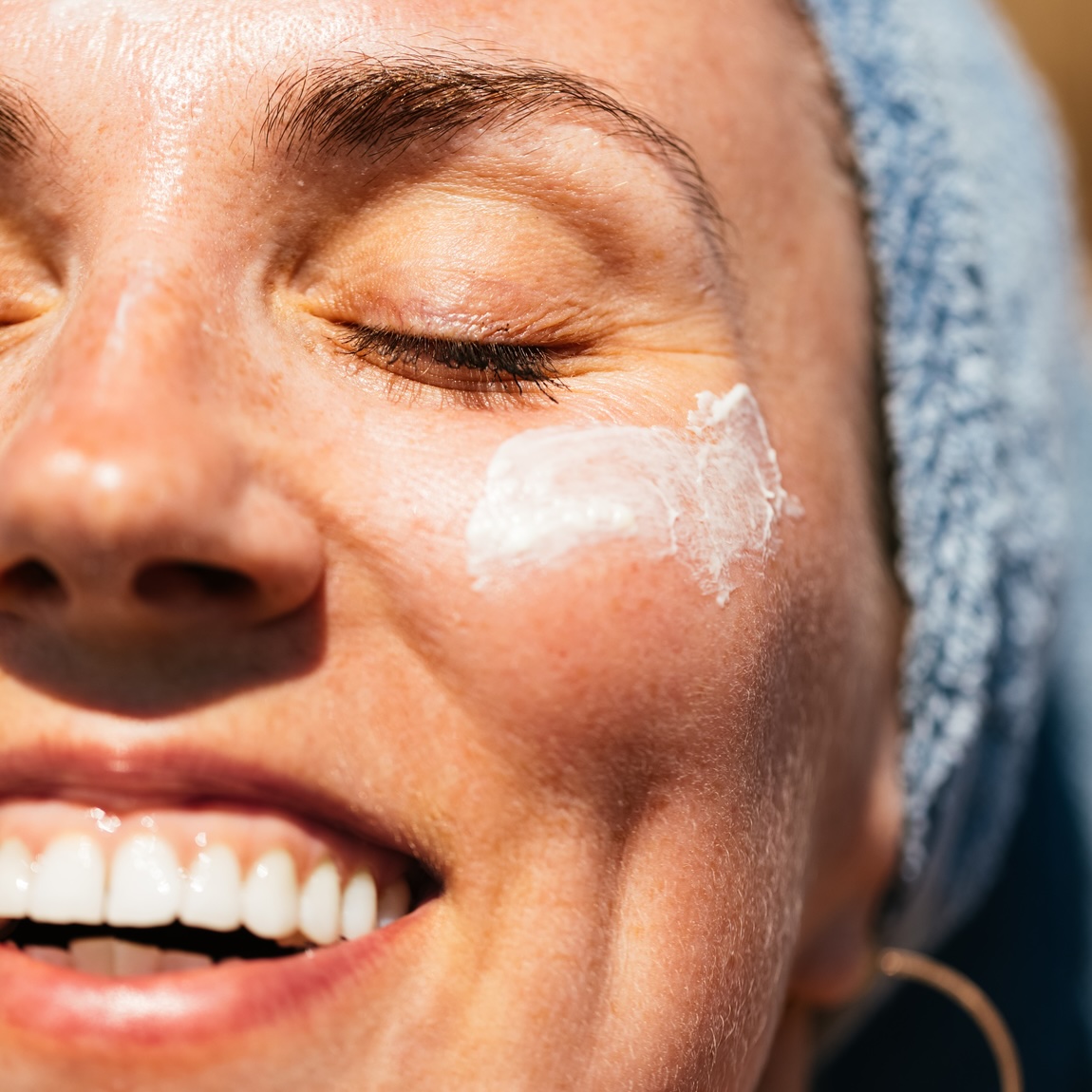
Sign up for Counsel and answer a few simple questions (less than 3 minutes).
Message with a board-certified doctor to discuss which treatment options would be best suited for your body and lifestyle.
Pick up your prescription from a local pharmacy. We’ll be here to monitor your progress and adjust your treatment through ongoing check-ins.
Consultations are $29, which is less than a standard copay. We prescribe generics available at your local pharmacy. Coverage for tretinoin can vary by insurers.
Get startedInsurance
Without insurance
Tretinoin
$10 - $25 with most plans
$20-45 for a 90 day supply
*Prices will vary depending on your insurance coverage and the pharmacy you choose.
To ensure you get the best possible results, Counsel prescribes Tretinoin, a trusted and cost-effective anti-aging treatment. You're always able to select alternative brand-name or geneeric medications if you prefer.
Tretinoin is a topical retinoid that stimulates collagen production and accelerates cellular turnover. This smooths fine lines, fades sun spots, and improves skin texture, giving skin a firmer, more youthful appearance.
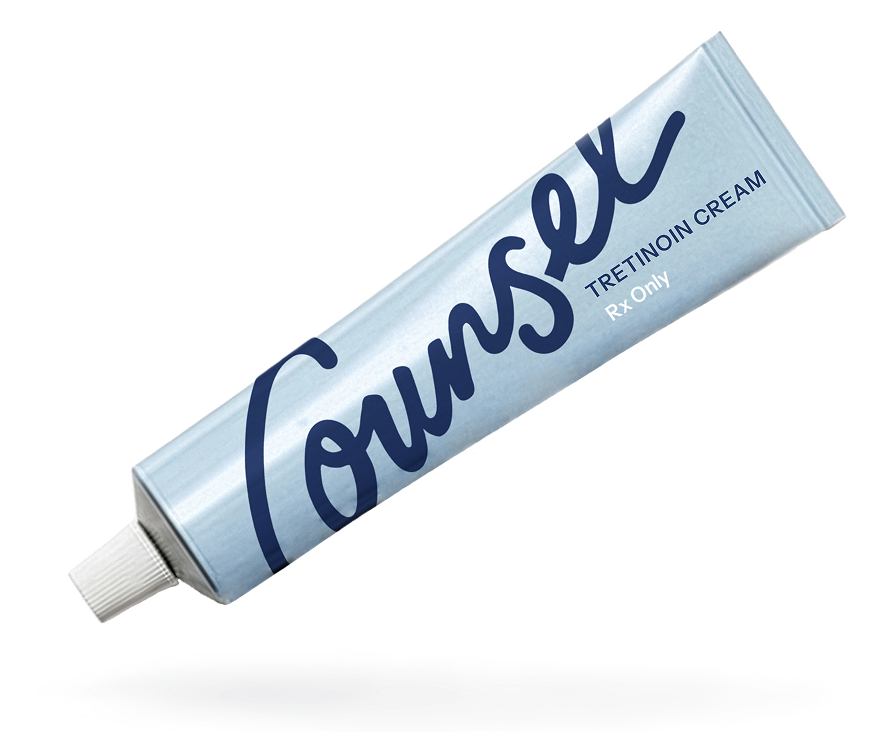
Tretinoin 0.025% cream, apply once a day
Clinically proven to reduce wrinkles, dark spots, and dullness

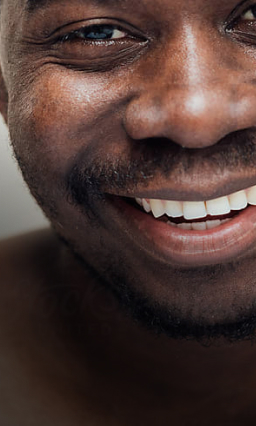
MALE, 30–39 years old

FEMALE, 40–49 years old

Male, 30–39 years old
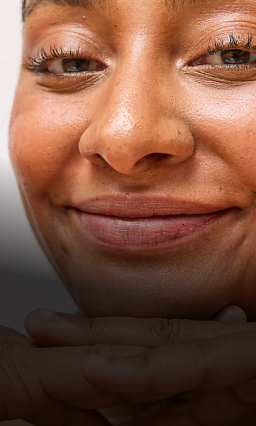
FEMALE, 30–39 years old

FEMALE, 20–29 years old
Unlike traditional healthcare, Counsel uses pattern recognition to uncover insights from your whole health history, so our doctors (and you) can see the full picture.



From testing, treatments, and lifestyle changes to second opinions and specialist referrals, Counsel covers the full spectrum of healthcare.
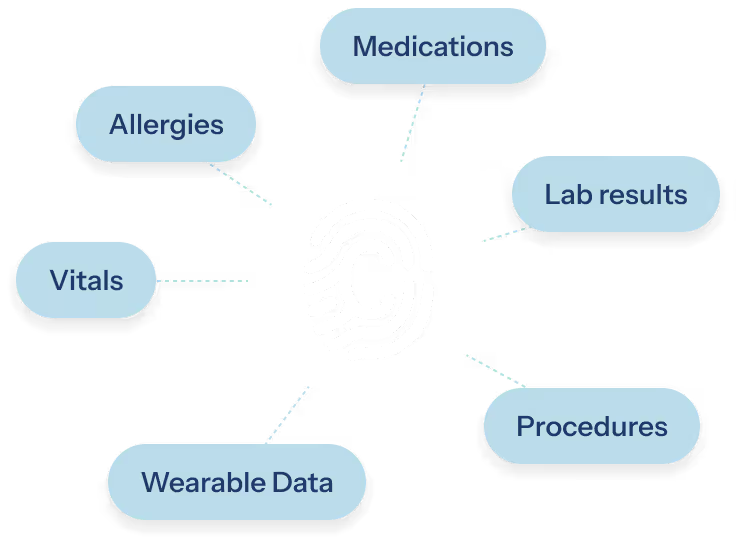
Get free, unlimited personalized support from Counsel AI, then add a doctor to your conversation for $29.
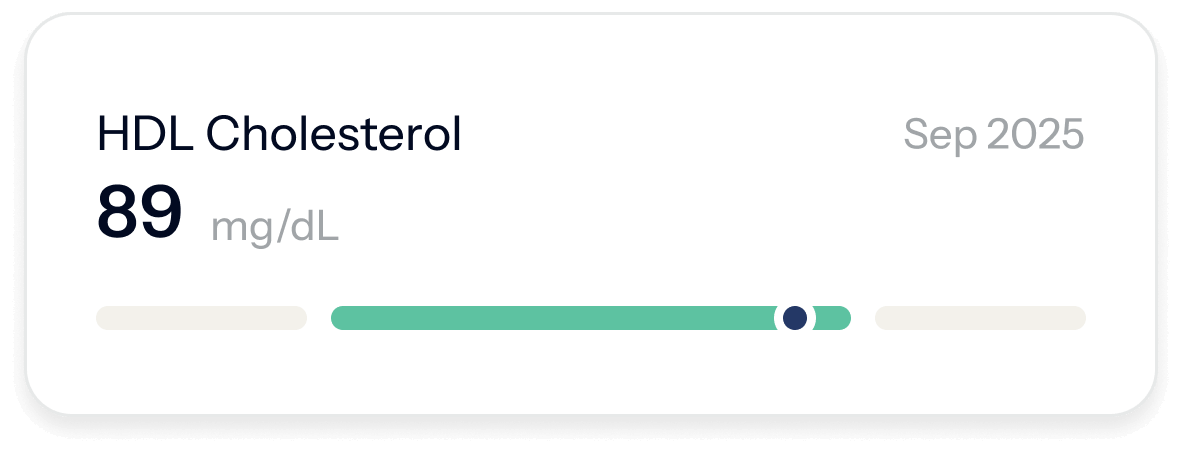
Stay proactive about your health with an on-demand selection of several lab panels.
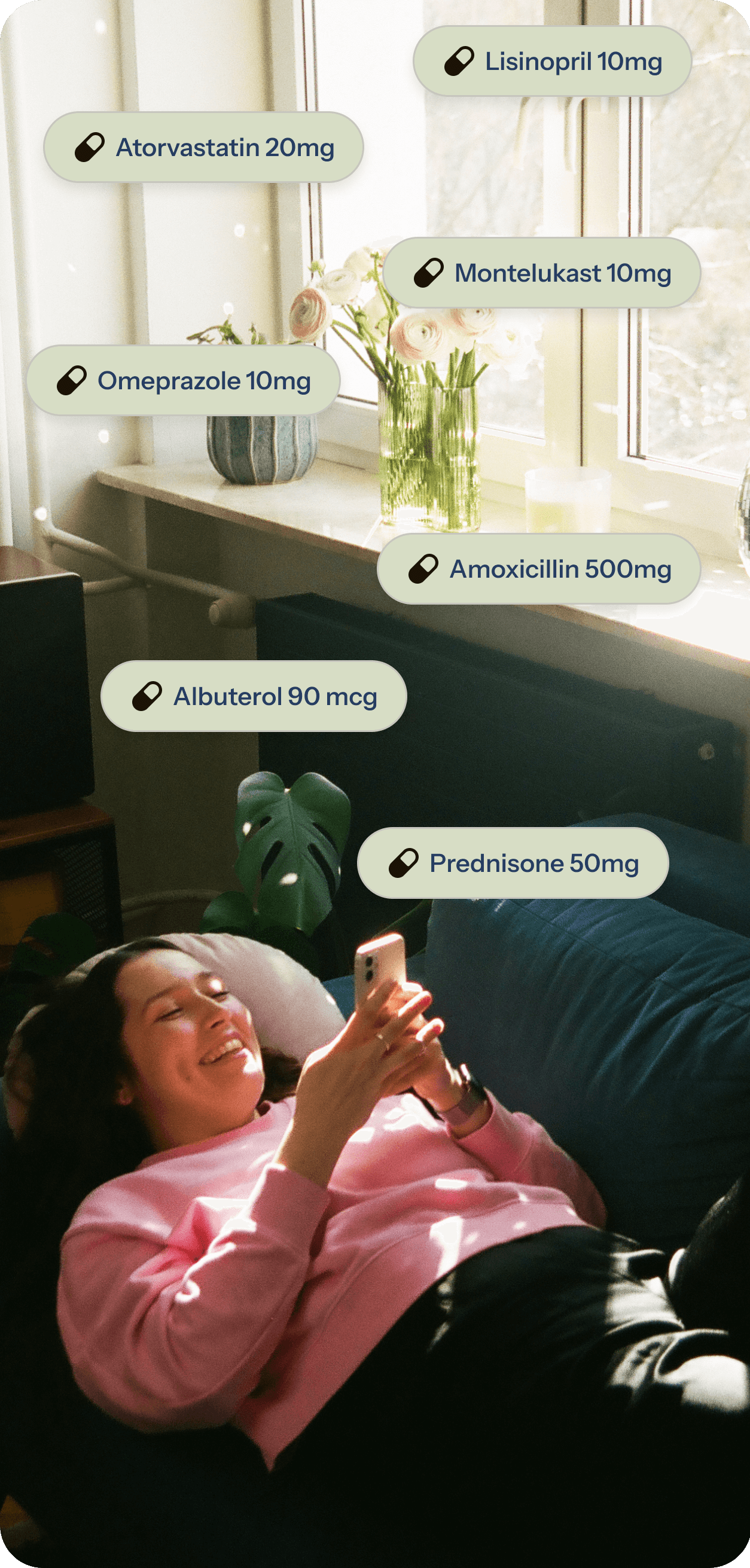
Our doctors can prescribe medication, order refills, and help you navigate any side effects or interactions.
While over-the-counter creams hydrate the epidermal layer, prescription retinoids (like Tretinoin) act on a genomic level. They bind directly to retinoic acid receptors in the skin, upregulating the genes responsible for collagen type I and III production. Much like how genetics dictate hair follicle miniaturization, UV exposure degrades dermal collagen; retinoids actively reverse this by preventing collagen breakdown and stimulating new structural growth.
Introducing Tretinoin can cause a temporary flare-up of acne before things get better. This "purge" happens because the medication accelerates your skin’s cell turnover rate, pushing deep-seated oil and dead skin cells to the surface all at once. It typically lasts a few weeks and is actually a sign that the medication is working to clear out micro-comedones (early stage pimples) that were already forming under the surface.
Rebuilding the dermal matrix is a slow, biological process. While you may notice increased radiance and smoother texture within a month due to surface exfoliation, significant improvements in fine lines, deep wrinkles, and dermal thickness generally take four to six months of continuous use. Consistency is vital, as pausing the medication will eventually halt the upregulated collagen production.
The most common side effects are erythema (redness), excessive dryness, and increased photosensitivity. Because the skin barrier is temporarily thinned, the skin is highly susceptible to UV damage if a broad-spectrum sunscreen is not applied daily. Environmental factors like cold weather or low humidity can further exacerbate these side effects.