.svg)
.svg)
.svg)


Blood pressure
Hemoglobin
12g/dL
Glucose
92mg/dL
HOBBIES
Surfing,
Travel
Sign up for Counsel and answer a few simple questions (less than 3 minutes).
Message with a board-certified doctor to discuss which treatment options would be best suited for your skin and lifestyle.
Pick up your prescription from a local pharmacy. We’ll be here to monitor your progress and adjust your treatment through ongoing check-ins.
Counsel offers a range of acne treatments. Below are some of the most common and cost-effective choices, and you’re always able to select alternative brand-name or generic medications if you prefer.
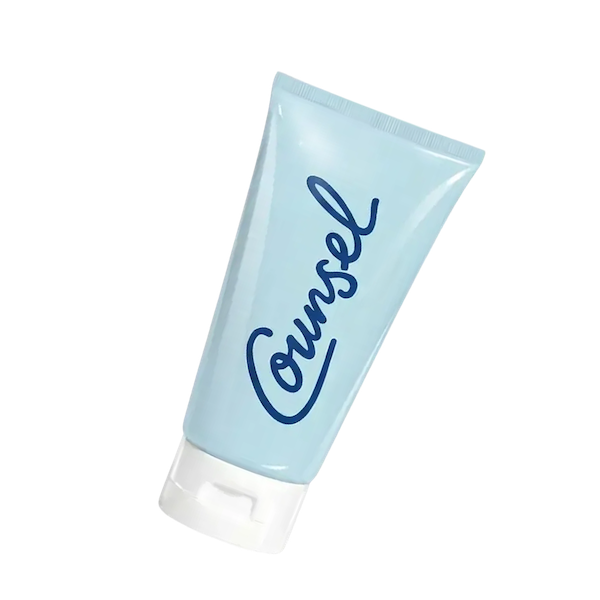
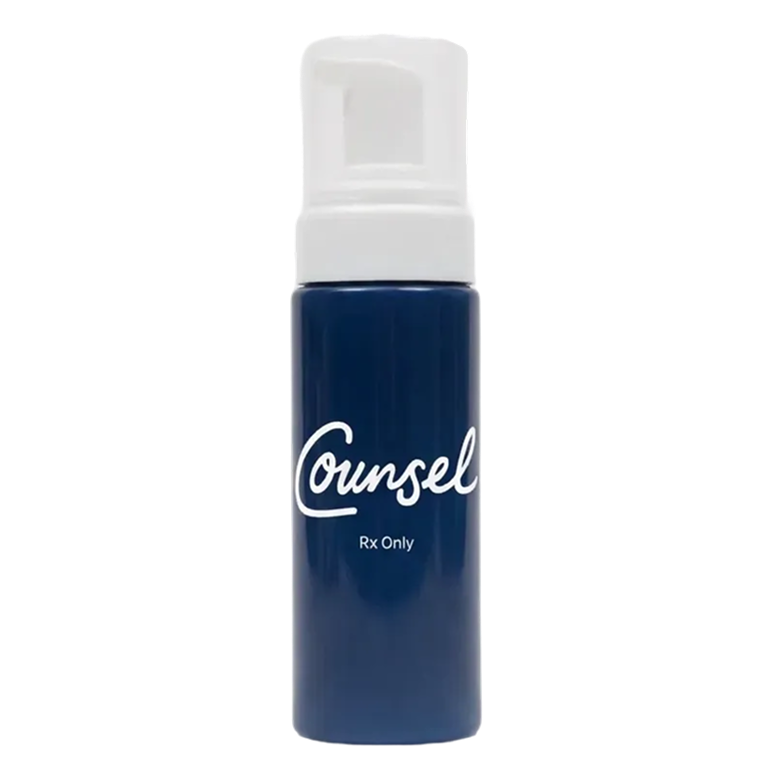
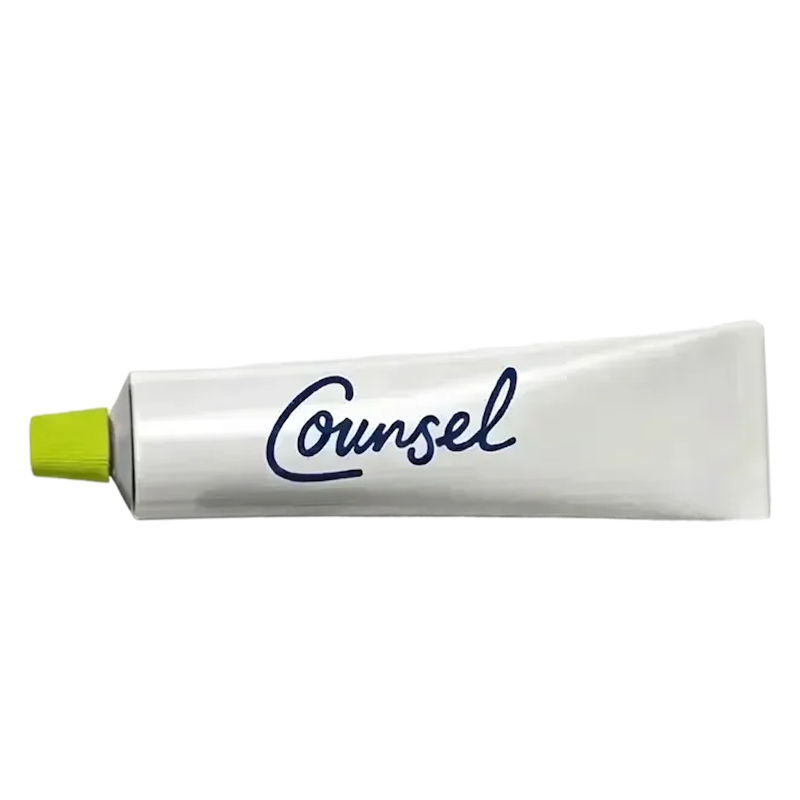
Consultations are $29 and give you unlimited access to talk through your treatment for 90 days, which is less than a standard copay.
We prescribe the most affordable generics available. Your co-pay will depend on your insurance coverage, typically a flat fee or a percentage of the drug price.
for unlimited doctor messaging on a single condition

average cost for 30
day supply*

MALE, 30–39 years old

FEMALE, 40–49 years old

Male, 30–39 years old
FEMALE, 30–39 years old

FEMALE, 20–29 years old
Unlike traditional healthcare, Counsel uses pattern recognition to uncover insights from your whole health history, so our doctors (and you) can see the full picture.



From testing, treatments, and lifestyle changes to second opinions and specialist referrals, Counsel covers the full spectrum of healthcare.
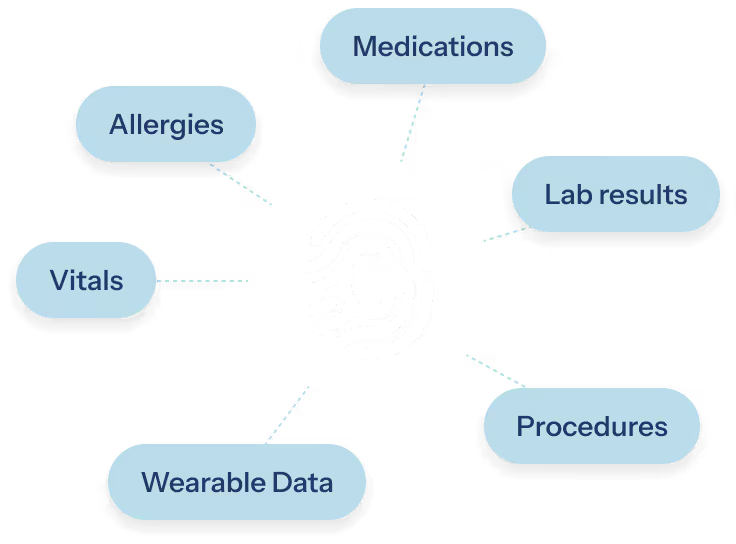
Get free, unlimited personalized support from Counsel AI, then add a doctor to your conversation for $29.
Stay proactive about your health with an on-demand selection of several lab panels.
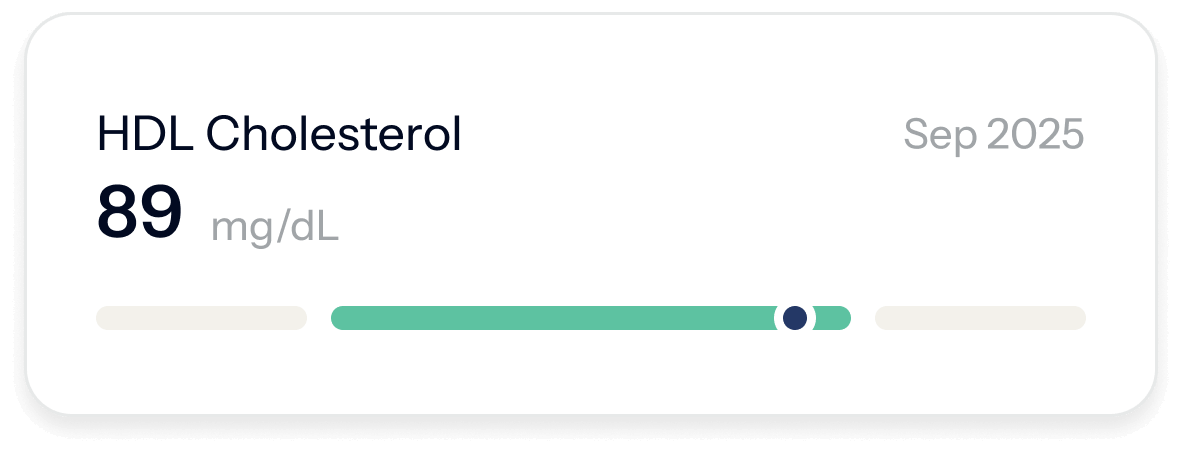
Our doctors can prescribe medication, order refills, and help you navigate any side effects or interactions.
Most acne is driven by a combination of excess oil, clogged pores, and a bacterium called Cutibacterium acnes. While over-the-counter washes treat the surface, prescription retinoids (like Tretinoin) work at a cellular level to speed up turnover and prevent follicles from becoming blocked in the first place. Antibiotics, on the other hand, directly target the bacterial overgrowth that leads to red, inflamed cysts. Just as genetics play a role in hair loss, they also influence how your pores function, meaning strong topical treatment is often necessary to counteract your skin's natural tendencies.
Introducing Tretinoin can cause a temporary flare-up of acne before things get better. This "purge" happens because the medication accelerates your skin’s cell turnover rate, pushing deep-seated oil and dead skin cells to the surface all at once. It typically lasts a few weeks and is actually a sign that the medication is working to clear out micro-comedones (early stage pimples) that were already forming under the surface.
Treating acne is a gradual process. Most clinical trials show that significant clearing typically occurs around the 12-week mark. You may notice some reduction in inflammation earlier, but the full cycle of clearing deep congestion takes time. Consistency is vital; skipping doses can reset the timeline and allow the follicle-clogging cycle to restart.
It is common to experience dryness, peeling, and increased sun sensitivity as your skin adjusts to the faster exfoliation rate. Just as certain conditions or stressors can affect hair health, environmental factors like cold weather or harsh soaps can exacerbate these side effects. Dermatologists often recommend "sandwiching" the medication between layers of moisturizer to mitigate this irritation without reducing efficacy.